6:40 PM How to Protect Concrete Foundations from Water Damage with Waterproofing Solutions |
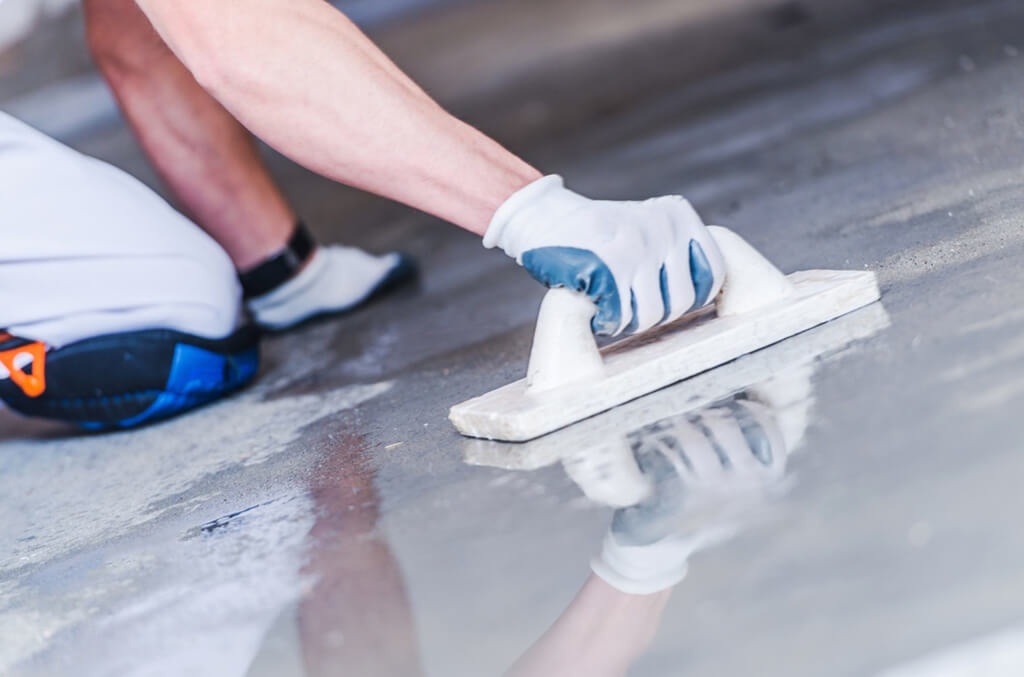
Concrete foundations are essential for providing stability and support to any structure. However, they are constantly exposed to moisture, whether from rain, groundwater, or other sources. Over time, water infiltration can cause significant damage to a concrete foundation, leading to cracks, erosion, corrosion of reinforcement bars, and mold growth. Fortunately, various waterproofing solutions can effectively protect concrete foundations from water damage. In this article, we will explore the most effective methods for safeguarding concrete foundations from water damage. We will discuss different waterproofing solutions, their advantages, and how they can be implemented to ensure the longevity and integrity of your foundation. Why Protect Concrete Foundations from Water Damage? Water damage is one of the most common causes of deterioration in concrete foundations. The porous nature of concrete allows water to seep through, potentially leading to severe consequences:
The Importance of Waterproofing Concrete Foundations Waterproofing is a proactive measure that can prevent water from entering the foundation and causing damage. By sealing the concrete and preventing water infiltration, waterproofing solutions help to:
With that in mind, let’s take a closer look at the most effective waterproofing solutions for concrete foundations. Protect your concrete with water resistant cement solutions available at Waterproofing Admixture. 6 Effective Waterproofing Solutions for Concrete Foundations 1. Cementitious Waterproofing Cementitious waterproofing is one of the most straightforward and cost-effective methods for waterproofing concrete foundations. It involves applying a cement-based mixture that forms a durable, water-resistant layer over the surface of the concrete. This method is typically used for areas exposed to moderate water pressure. Advantages:
How It Works: Cementitious waterproofing products typically contain cement, sand, and other chemicals that form a thick, protective layer. The product bonds to the concrete surface and prevents water from infiltrating. When to Use: Ideal for foundations located in areas with moderate water exposure, such as basements or crawl spaces. Recommended Product: SikaTop Seal-107, a widely used cementitious waterproofing product that provides excellent protection against water infiltration. 2. Crystalline Waterproofing Crystalline waterproofing is one of the most advanced methods for protecting concrete foundations from water damage. It involves adding a crystalline additive to the concrete mix or applying a crystalline coating on the surface of the foundation. These chemicals react with water and free lime in the concrete to form crystals that block the pores and capillaries, making the concrete impermeable to water. Advantages:
How It Works: The crystalline additive reacts with water and free lime in the concrete, forming crystals that block water passage. This process makes the concrete waterproof, even against high water pressure. When to Use: Best for foundations exposed to high levels of water or groundwater, including in basements, underground structures, and foundations in flood-prone areas. Recommended Product: Xypex Crystalline Waterproofing, a high-performance solution known for its long-lasting effectiveness. 3. Polyurethane and Epoxy Coatings Polyurethane and epoxy coatings form a flexible, waterproof membrane on the surface of the concrete foundation. These coatings are particularly effective for foundations exposed to significant movement, as they allow for expansion and contraction without cracking. Advantages:
How It Works: Polyurethane and epoxy coatings are applied as liquid layers that dry to form a hard, waterproof membrane on the foundation. These membranes prevent water from entering and also allow for moisture vapor to escape. When to Use: Ideal for foundations in areas subject to movement, such as those near active fault lines or exposed to extreme temperature fluctuations. Recommended Product: Sikaflex-1a (polyurethane) or Rust-Oleum EpoxyShield (epoxy coating) – both provide excellent waterproofing properties for concrete foundations. 4. Bituminous Waterproofing Bituminous waterproofing is a popular solution for concrete foundations in areas where high levels of water resistance are required, such as foundations below grade or in contact with soil. This method involves applying a thick, sticky bituminous membrane to the surface of the concrete. Advantages:
How It Works: The bituminous membrane is typically applied as a thick, sticky layer that bonds to the foundation surface. Once applied, it forms a watertight barrier that prevents water from seeping into the concrete. When to Use: Ideal for foundations that are below grade or in areas exposed to high water pressure, such as basements or foundations in flood zones. Recommended Product: Henry 555, a bituminous waterproofing membrane that provides long-lasting protection for concrete foundations. 5. Liquid Membrane Waterproofing Liquid membrane waterproofing involves applying a liquid coating to the surface of the foundation that forms a seamless, waterproof barrier. This type of waterproofing is ideal for foundations with complex shapes or areas that are difficult to cover with traditional methods. Advantages:
How It Works: Liquid membrane products are applied as a liquid and then dry to form a thick, flexible waterproof layer that bonds directly to the concrete surface. When to Use: Ideal for foundations with intricate shapes, such as those with numerous corners or penetrations. Also effective for foundations that may experience movement or settling. Recommended Product: Sikalastic 1K – A high-performance liquid membrane that provides excellent waterproofing protection for concrete foundations. 6. Surface Sealers Surface sealers are typically applied as a topcoat to provide a protective layer that prevents water penetration. These sealers work by creating a hydrophobic (water-repellent) surface, which prevents water from being absorbed into the concrete. Advantages:
How It Works: Surface sealers are applied as a liquid coating that forms a thin, waterproof layer on the surface of the concrete foundation. This layer repels water while allowing the foundation to breathe. When to Use: Ideal for foundations exposed to moderate water levels or those in need of a maintenance solution. Recommended Product: Behr Premium Concrete Sealer – A trusted surface sealer known for its durability and water resistance. Choosing the Right Waterproofing Solution for Your Concrete Foundation Selecting the right waterproofing solution for your concrete foundation depends on several factors:
Water damage to concrete foundations can lead to costly repairs and long-term structural issues. Implementing a waterproofing solution is essential to protecting your foundation from the adverse effects of water infiltration. By considering the available waterproofing methods and selecting the most appropriate one for your specific needs, you can ensure the durability and longevity of your concrete foundation. For more information on high-quality waterproofing products for concrete foundations, visit Waterproofing Admixture to explore a wide range of solutions tailored to your project needs.
|
|
|
| Total comments: 0 | |